Gestational Diabetes: Why Early Diagnosis Matters and How CGM Can Help
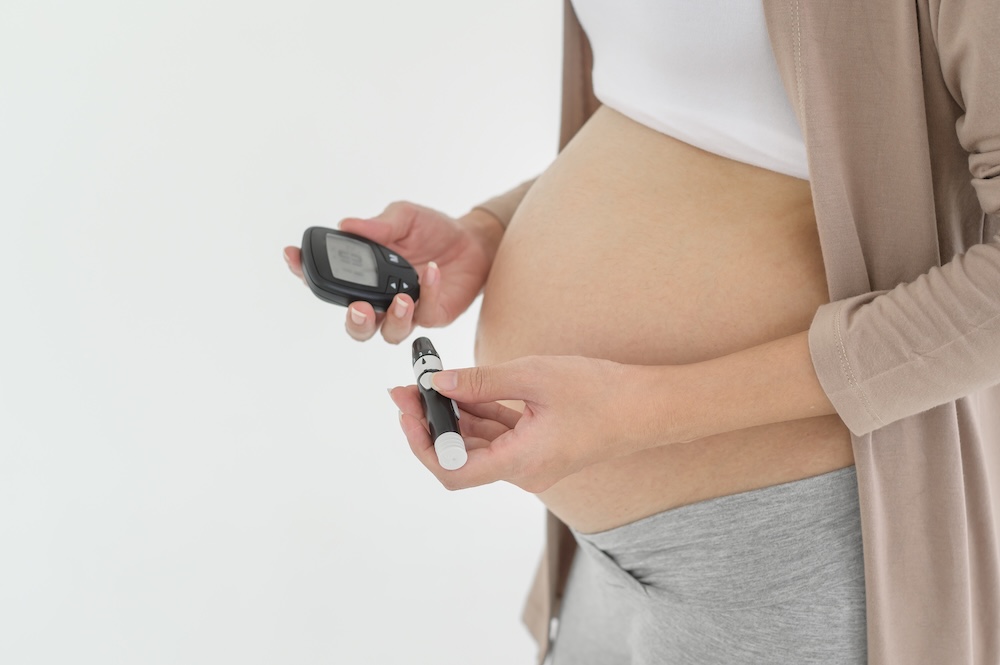
Gestational diabetes is one of the most common conditions that can accompany pregnancy, affecting an estimated ten to fifteen out of every hundred expectant mothers. It's caused by the changed hormone profile of pregnancy: especially in the second half, insulin demand rises noticeably because certain pregnancy hormones work against insulin's effect. If the body's own insulin production can't keep up with that extra demand, blood sugar rises and gestational diabetes develops.
If blood sugar stays elevated for a longer period, it can have noticeable consequences for both mother and child. The baby often grows larger than average, which can complicate delivery and raise the risk of complications. The newborn itself can also experience a drop in blood sugar right after birth, and long-term, the child's risk of later metabolic problems increases. That's exactly why it pays to look early: when gestational diabetes is caught in time, adjustments to diet and exercise can meaningfully lower many of these risks.
As standard practice, an oral glucose tolerance test is done between weeks 24 and 28 of pregnancy: after drinking a solution containing 75 grams of glucose, blood sugar is measured after one and after two hours, with elevated values confirming the diagnosis. Women with risk factors — such as significant overweight or a family history of diabetes — should be tested considerably earlier, often already between weeks 12 and 16, so a possible metabolic issue doesn't go unnoticed.
Alongside the classic test, continuous glucose monitoring, or CGM, is playing a growing role in ongoing blood sugar control. Unlike a classic finger-prick test, which only gives isolated snapshots, a CGM system records values around the clock and so reveals blood sugar spikes after meals that would otherwise easily go unnoticed. It also warns automatically about values that are too high or too low, so you can react faster — and it spares expectant mothers the many daily finger pricks.
It's also worth knowing that gestational diabetes matters well beyond birth: studies show that about half of affected women develop type 2 diabetes within ten years. That's not an unavoidable fate, though — regular exercise, less refined sugar and white flour, more fiber and protein instead, and continued blood sugar monitoring after birth can meaningfully lower that risk.