Blood Sugar: Why You Should Know Yours – Even If You're Not Diabetic
A single blood sugar reading tells you very little — it's just a snapshot, like a quick peek through a keyhole. Metabolism, on the other hand, is constantly in motion: what you eat, how you sleep, and how much you move all continuously affect your glucose level. Only continuous glucose monitoring (CGM) makes these connections visible, revealing patterns a single measurement could never uncover — like why afternoon fatigue keeps hitting, or which meals actually keep you full.
And the topic is relevant well beyond people with diabetes. If you want to lose weight, eat healthier, or simply have more energy day to day, understanding how your own body reacts to food, stress, or lack of sleep helps just as much. CGM data shows which foods keep you satisfied for a long time and which trigger cravings, and it shows very concretely how small adjustments — a different snack, a short burst of movement — actually pay off.
One central idea: motivation alone doesn't carry you far. It's like a party friend — great in the moment, but not reliable over time. What really helps in the long run is a tool that provides honest, immediate feedback. That's exactly what continuous glucose monitoring does: it takes the guesswork out of trying to live healthier and replaces it with real, personal, real-time insight.
From your own data you can, for example, see how breakfast shapes your energy for the rest of the day, why an afternoon slump often follows lunch, which type of movement keeps blood sugar stable, and how strongly stress or too little sleep affects your metabolism. Behavioral research on habit formation also shows that motivation spikes quickly but fades just as fast, while small, measurable steps with real feedback lead to lasting change more reliably than big, abstract goals.
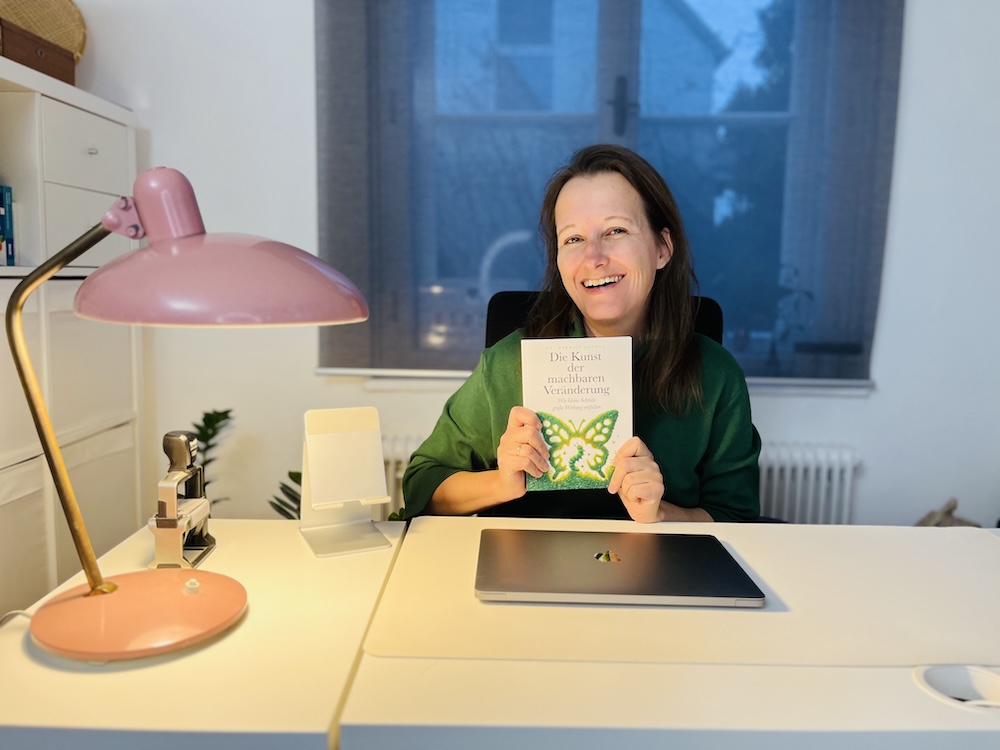
Dr. Gerhilt Kusatz has spent years, as a physician, guiding people who want to change their weight, their diet, or their exercise habits. Her experience: it's not radical overhauls that bring lasting success, but small, doable steps — combined with a better understanding of your own body. It's not about perfection, but about getting to know your own patterns and making healthier decisions step by step, with real feedback.